
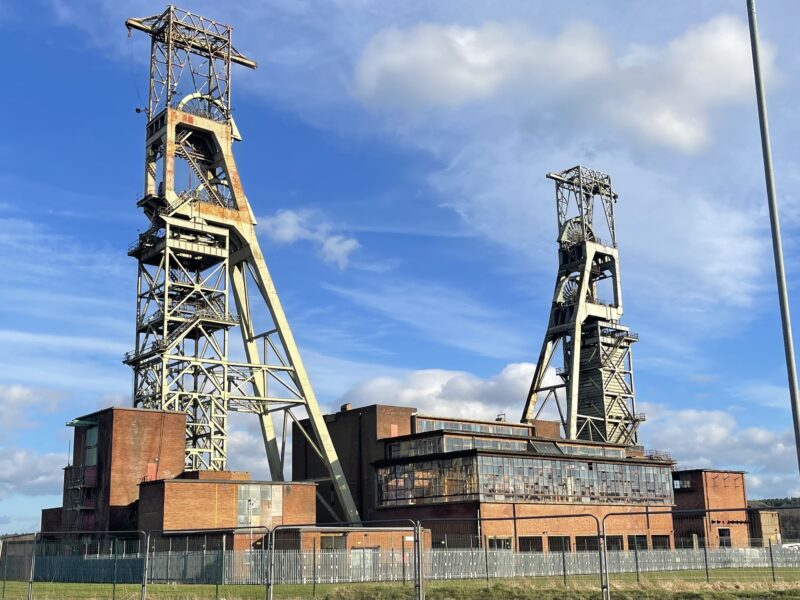
Another place that’s fascinated me is Clipstone Headstocks. It’s somewhere I pass on the way to Centre Parcs and I always stop to take a photo. I don’t know why but I always feel drawn to it. It might be because they are world’s tallest headstocks, standing at an awe-inspiring 200 feet, a landmark that once oversaw the extraction of over one million tons of coal each year. I’m always drawn to relics of our industrial past.
At the end of our most recent visit to Centre Parcs I managed to leave in time to attend a guided tour of the Clipstone Headstocks Museum. We happened to be the only people there on the day so my eldest, Megs and I went on a personal guided tour!
Clipstone Headstocks Museum

The Museum is situated in the old Clipstone Colliery Headstocks which is in Clipstone, Nottinghamshire. After closure, the Clipstone Headstocks were purchased by Welbeck Estates. But after some failed attempts to open the Headstocks as a venue, it was ultimately saved by the Clipstone Colliery Regeneration Trust who fiercely opposed the planning application to demolish the site. Something I’m super glad about because I love seeing this structure when I’m in the area.
They’re quite a small charity so any help is much appreciated – please take a look at their Facebook page and support in any which way you can.
The place has now been turned into a Museum and covers not only the history of the colliery but also the wartime history of the place. I’ll go through some of the history now as well as take you through some of the current day goings on.
Colliery History
Clipstone Colliery was originally opened in 1922 by the Bolsover Colliery Company. By 1930s it was producing over 4000 tons of coal daily.
In 1946 the National Coal Board took over the site and new investments were made namely the construction of the new headstocks and winding engines. These were needed in order to expand operation to the lower seam which was approx 920m below surface (bear in mind that Yr Wyddfa (Snowdon) is 1085m tall…. so the shafts were almost as deep as Yr Wyddfa is tall!).
Two shafts were used at the colliery with one shaft being used to transport personnel and equipment and the other used to transport coal skips. If you look at the photo of Clipstone Headstock then you can see one is covered whilst the other is uncovered and that was to protect people from the wind.
By 1986 the colliery produced a million tons of coal and employed 1300 people at it’s peak.
Sadly, coal mining at Clipstone came to a (temporary) end in 1993 when British Coal mothballed the site. However it was subsequently reopened by RJB Mining in 1994 and continued mining until April 2003 when it was closed for good. A few months later the two shafts were filled in – a total of 100,000 tonnes of loose stone was needed to fill the two shafts. Approx 10 years later the shafts were capped with concrete.
Wartime History
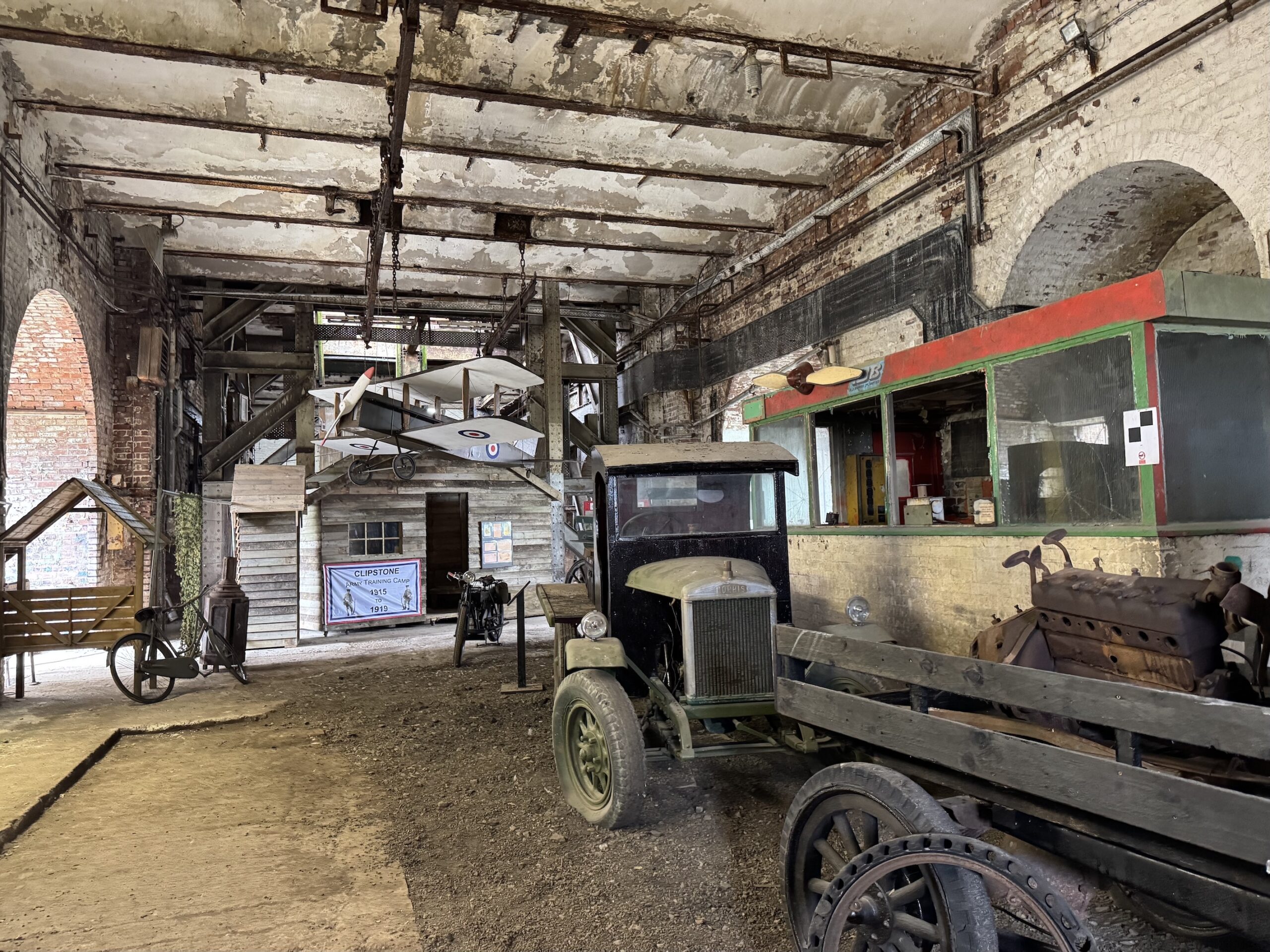
Construction of the colliery was interrupted by World War I in 1914. Clipstone Camp (situated next to the colliery) became the largest army training camp in Britain, housing over 30,000 troops at a time.
During WWII, coal was an essential resource and as such, miners were classed as a reserved occupation. With the colliery being so close to Clipstone Camp it meant the area still had a strong military presence, with some wartime logistics and supply operations making use of the colliery’s rail connections.
Today at Clipstone Headstocks Museum
Today the Clipstone Headstocks Museum preserves both mining and military heritage.
The museum’s military collection is impressive. Includes WWI huts and artillery to Cold War-era amphibious vehicles, scout cars, and even a tank bristling with four anti-aircraft guns capable of firing 4,000 rounds per minute. In addition there are other vehicles like the bullet-riddled Model T Ford that once served in wartime. The day we were there the Museum were just taking in a delivery of a wartime ambulance.
As for the mining history (which I love!), you can visit the shaft buildings and walk over the now capped mine shafts. You can also go into a small tunnel to train to be a miner. Very cramped down in those dark tunnels.
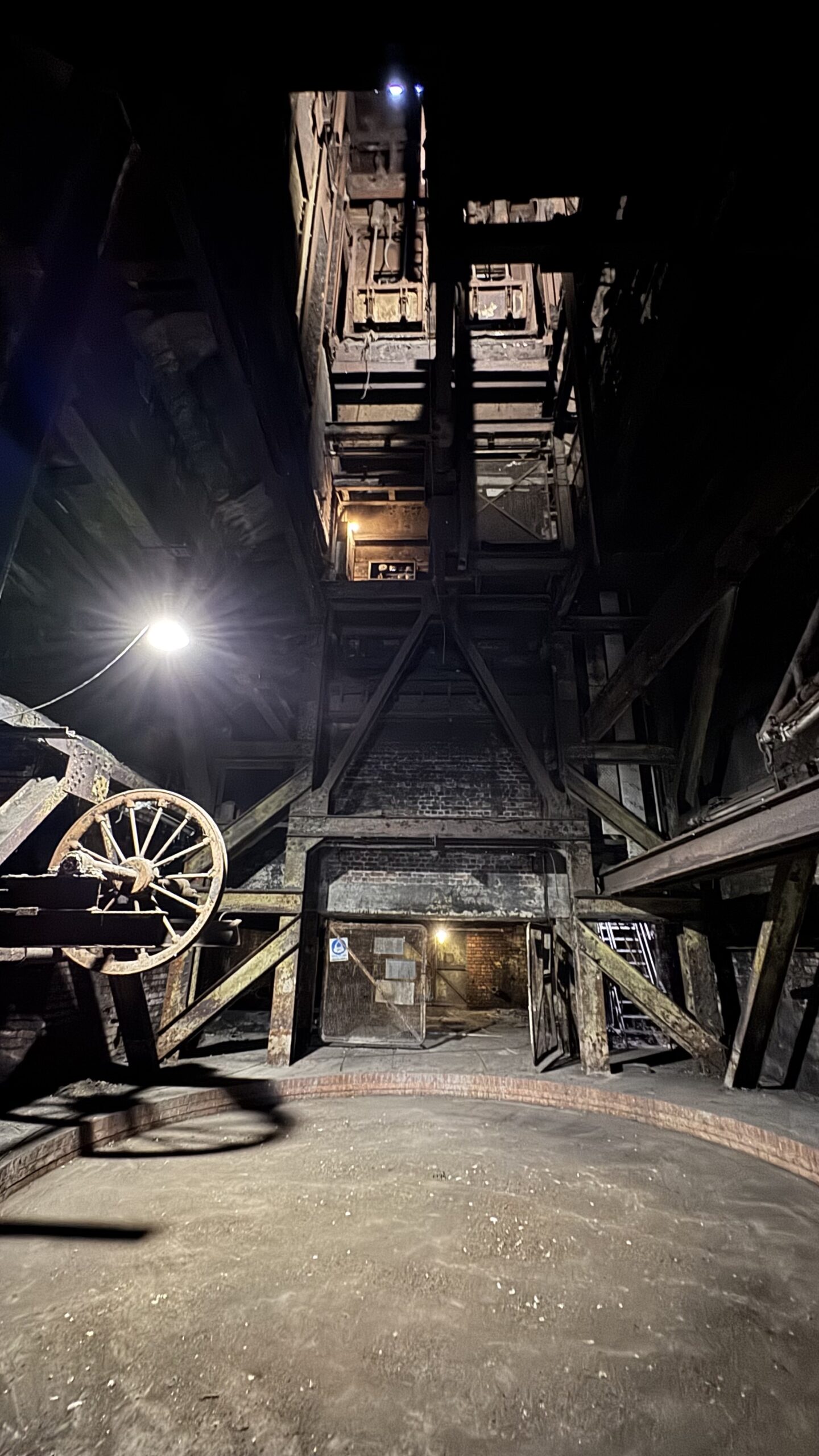
Dotted around the site are various remnants of the colliery’s past workings. In the left hand shaft building, the old pulleys are still in situ. It was quite eerie being in there with it being so quiet… knowing how many men have worked there.
The Power House
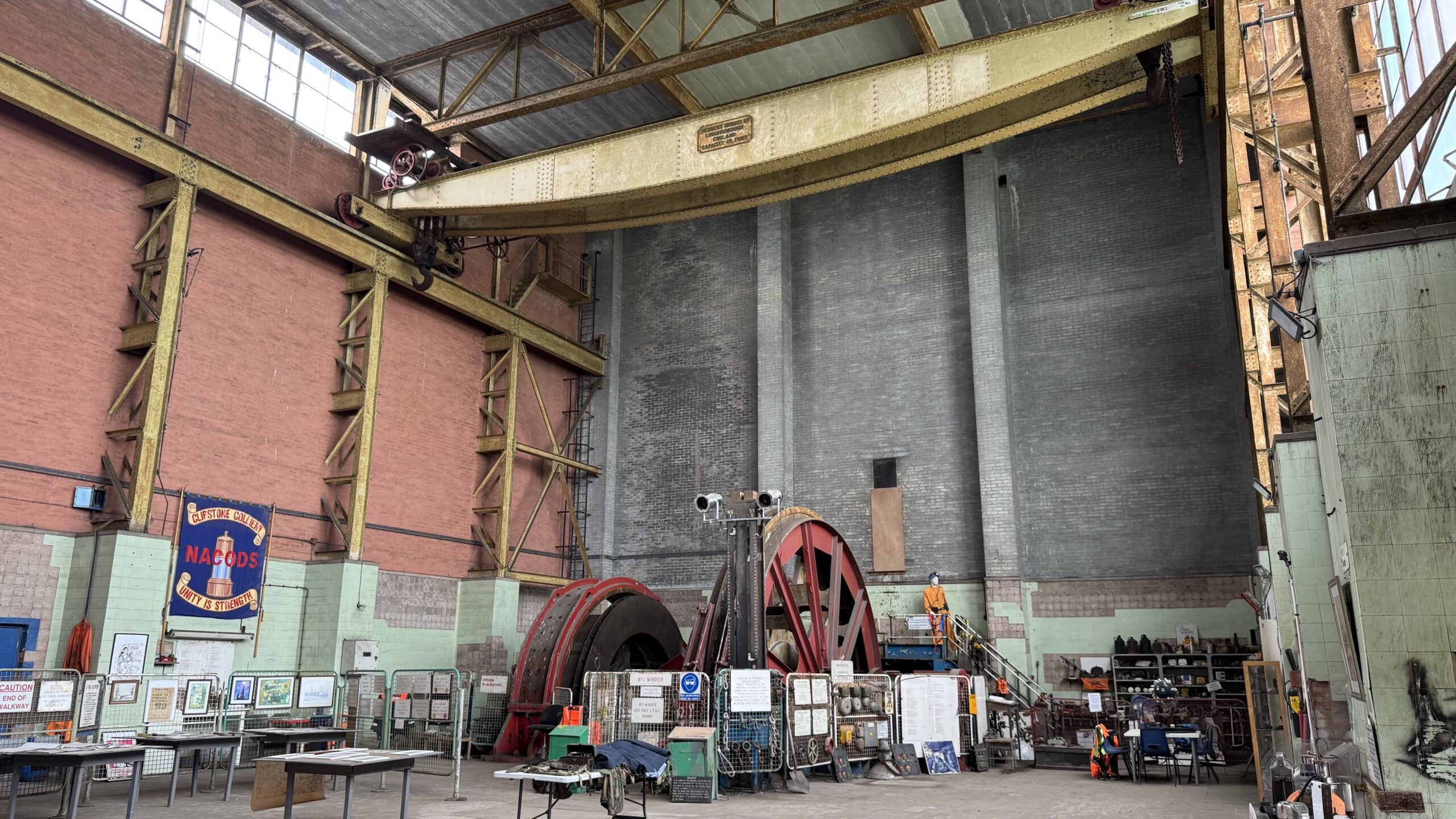
The main building between the two pit heads is the Powerhouse. This is where all the winding gears were controlled from and of course where the power was generated. Today the winding cables are gone but the control equipment remains in place.
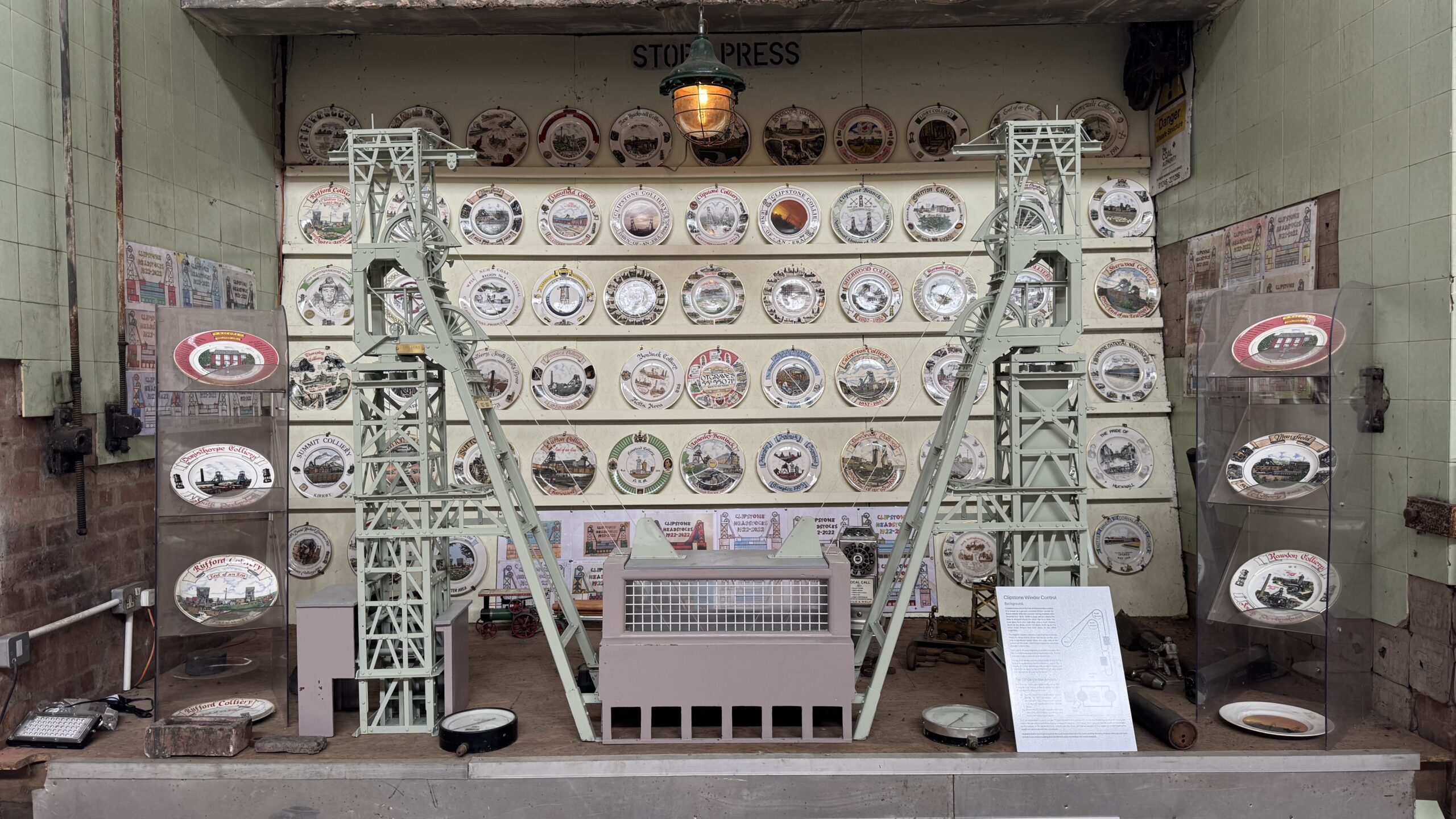
The building houses an impressive collection of mining memorabilia – from Davy lamps to Union banners, from commemorative plates to old requisition books – you can find loads of fascinating stuff in there. I was impressed with the commemorative plates collection and Julie was telling us that they had boxes of them yet to sift through. Must be so interesting!
Events & Tours
They host numerous events throughout the year. They were advertising an upcoming war event when we were there but if you take a look at their Facebook page you can see all sorts are going on including concerts, raves, fireworks, family events, car shows… so much to do! I only wish I was closer to be able to attend.
As for guided tours, they run every Friday at 11am and last about an hour. As I mentioned, the day we were there it was only us so we had a private guided tour with Stu. Current price of the guided tour is £8 per person. Well worth it!
Educational Tours
In addition to the guided tours, they offer educational days out to learn all about the history. As part of the educational experience you would be faced with mathematical challenges, learn some engineering principles, learn about the military and mining history as well as thinking about the future of energy… there are various peddle power machines to be operated – yes we had a go at powering a lightbulb with a bike!
Useful Information
Where to find: Power House, Mansfield Road, Clipstone
Official Website: https://www.clipstoneheadstocks.com/
Facebook Page: https://www.facebook.com/Headstocksevents
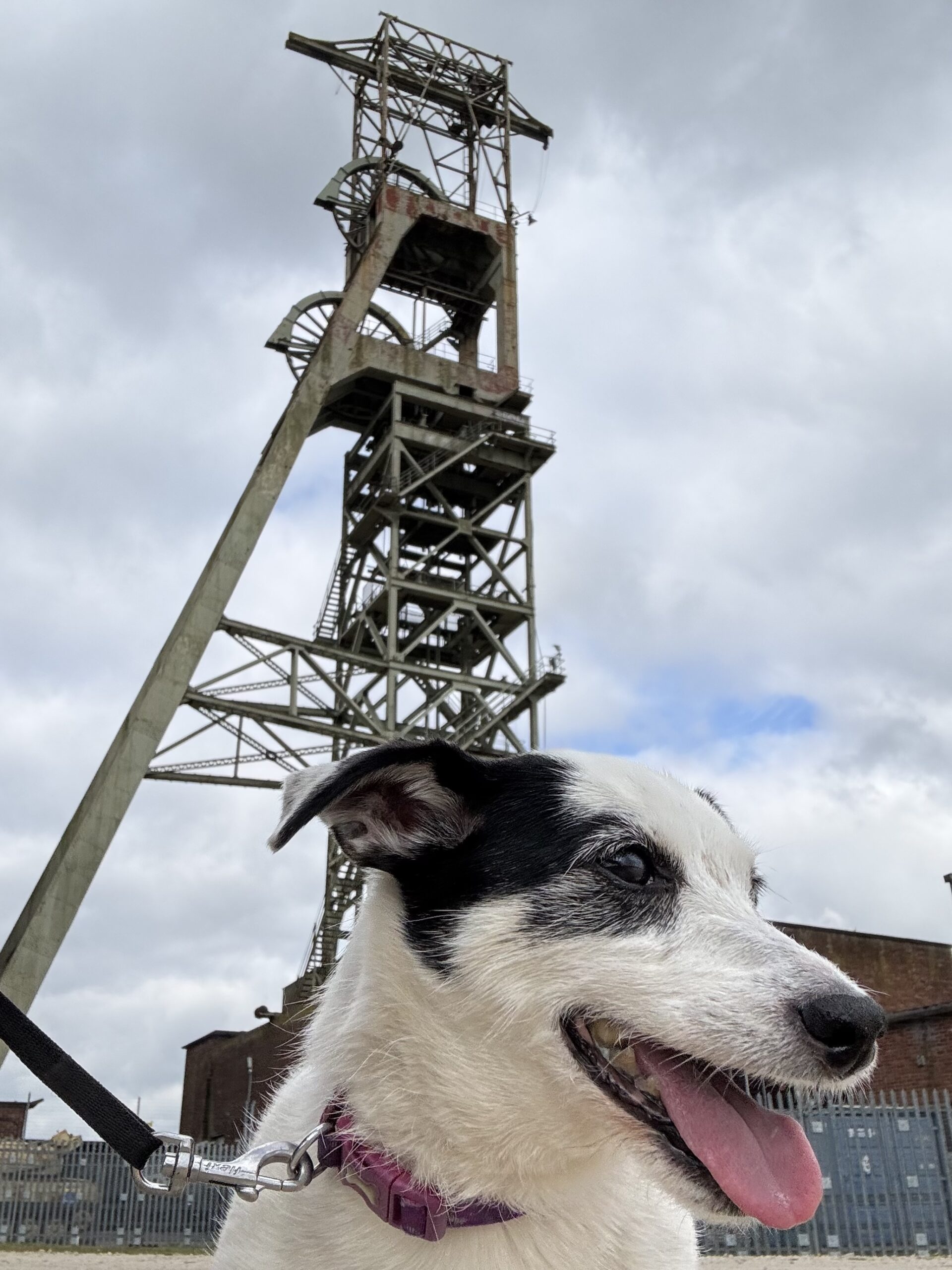
Other Details: Dog friendly space!
Accessibility: due to the nature of the buildings, it is not suitable for wheelchairs, mobility scooters, prams.
So to close, all I can say is that it’s a fab place! Filled with all sorts of interesting things. Well worth a visit and if you’re able, attend one of the wonderful events. I’m sure you won’t regret visiting!
